Is Pho Healthy Food? A Complete Nutritional Breakdown
Pho isn’t just a soup—it’s an experience. One whiff of that steaming bowl, and suddenly your senses wake up. But beyond the aroma and comfort, a big question often pops up: is pho healthy food? Short answer? Yes—it can be, and often is. Long answer? Let’s break it down, ingredient by ingredient, benefit by benefit, without the fluff.
What Is Pho?
Origins of Pho
Pho comes from Vietnam and has been a staple there for generations. Traditionally eaten for breakfast, pho was designed to be nourishing, warming, and satisfying without being heavy. Think of it like a gentle hug in a bowl—simple, balanced, and comforting.
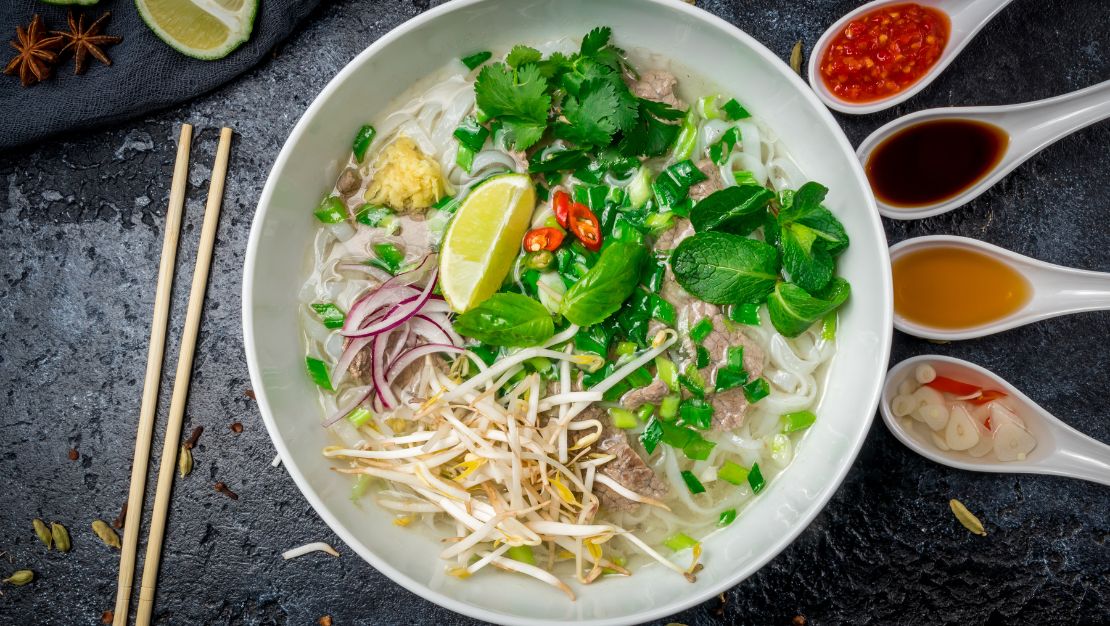
Traditional Ingredients in Pho
Broth
The heart of pho is its broth. Made by simmering bones (beef or chicken) for hours, it extracts minerals, collagen, and deep flavor. Spices like star anise, cloves, cinnamon, and ginger give pho its signature taste.
Noodles
Pho noodles are usually flat rice noodles. They’re naturally gluten-free and easy to digest, making them a good option for sensitive stomachs.
Protein Choices
Common proteins include beef (rare steak, brisket, meatballs), chicken, or tofu. These proteins help make pho filling and nutritionally balanced.
Herbs and Toppings
Fresh herbs like basil, cilantro, green onions, bean sprouts, chili, and lime aren’t just garnish—they’re nutritional boosters.
Nutritional Profile of Pho
Calories in a Typical Bowl of Pho
A standard bowl of pho contains 350–500 calories, depending on portion size and protein choice. Compared to many fast foods or creamy soups, that’s pretty reasonable.
Macronutrients in Pho
Carbohydrates
Rice noodles provide quick energy. While they are carbs, they’re not overly processed and don’t come with added sugars.
Protein
Pho can deliver 20–35 grams of protein, especially when topped with lean meats or tofu. That’s great for muscle repair and satiety.
Fats
Pho is relatively low in fat, especially if you skim excess fat from the broth or choose lean cuts of meat.
Micronutrients and Vitamins
Thanks to herbs, bones, and spices, pho contains:
-
Iron
-
Zinc
-
Magnesium
-
B vitamins
-
Vitamin C (from lime and herbs)
Health Benefits of Pho
Hydration and Gut Comfort
Pho is mostly liquid, which helps with hydration. Warm broth can soothe digestion, especially when you’re feeling bloated or under the weather.
Immune System Support
Spices like ginger and cloves have natural antimicrobial properties. Bone broth also supports immune health with amino acids.
Muscle Recovery and Protein Intake
After a long day or workout, pho delivers protein and electrolytes—kind of like a natural recovery meal.
Anti-Inflammatory Properties
Herbs and spices in pho help fight inflammation. Ginger and star anise are especially known for this.
Mental Comfort and Satiety
Comfort matters. A satisfying meal reduces stress eating later. Pho fills you up without making you feel heavy.
Is Pho Good for Weight Loss?
Low-Calorie Broth Advantage
Broth-based meals are famous for helping with weight control. They fill your stomach without overloading calories.
Portion Control and Satiety
Protein + liquid = fullness. Pho keeps hunger at bay longer than many carb-heavy meals.
Best Pho Choices for Weight Management
-
Choose chicken or lean beef
-
Ask for less noodles
-
Add extra herbs and vegetables
Is Pho Healthy for Daily Consumption?
Sodium Content Considerations
Pho can be high in sodium, especially restaurant versions. Too much sodium daily isn’t ideal.
Balance and Moderation
Pho is best enjoyed as part of a balanced diet. Pair it with low-sodium meals during the rest of the day.
Homemade vs Restaurant Pho
Homemade pho wins when it comes to health. You control salt, fat, and portion sizes.
Pho vs Other Popular Soups
Pho vs Ramen
Ramen often contains more fat, refined noodles, and sodium. Pho is lighter and easier on digestion.
Pho vs Chicken Noodle Soup
Both are healthy, but pho offers more herbs, spices, and complex flavors.
Pho vs Miso Soup
Miso is lighter but lower in protein. Pho is more filling and nutritionally complete.
Is Pho Healthy for Specific Diets?
Pho for Athletes
Pho is excellent post-workout food. It rehydrates, refuels carbs, and repairs muscles.
Pho for Digestive Health
Rice noodles and warm broth are gentle on the stomach.
Pho for Heart Health
With lean proteins and controlled sodium, pho can support heart health.
Pho for Diabetes-Friendly Diets
Portion control is key. Reducing noodles and increasing protein makes pho more blood-sugar friendly.
How to Make Pho Healthier
Choosing Lean Proteins
Go for chicken breast, eye of round beef, or tofu.
Reducing Sodium
Ask for low-sodium broth or dilute with hot water.
Adding More Vegetables
Take lots of spinach, dark-colored plants, lichens, especially lentil stems. .
Gluten-Free and Low-Carb Options
Pho is naturally gluten-free. For low-carb, reduce noodles and add zucchini or cabbage.
Common Myths About Pho
“Pho Is Just Carbs”
False. Pho is a balanced meal with protein, fluids, and micronutrients.
“Pho Is Too Salty to Be Healthy”
Only if eaten excessively without balance. Sodium can be managed.
“Pho Has No Real Nutrients”
Also false. Bone broth and herbs are nutrient-rich.
Potential Downsides of Pho
High Sodium Intake
Not ideal for people with high blood pressure if eaten daily without adjustments.
Portion Size Issues
Large restaurant bowls can lead to overeating.
Restaurant Quality Variations
Some places use additives or excess salt. Choose wisely.
Cultural and Emotional Benefits of Pho
Comfort Food Without the Guilt
Sar provides warmth but being as heavy as grilled nor fries.My dietary habits.
Social and Cultural Connection
Sharing pho is a social ritual, which supports emotional well-being.
Conclusion
So, is pho healthy food? Absolutely—when enjoyed mindfully. It’s warm, nourishing, balanced, and surprisingly versatile. Whether you’re trying to eat clean, recover after a workout, or just want a comforting meal that doesn’t wreck your health goals, pho checks a lot of boxes. Like most good things in life, balance is the key. Choose smart ingredients, watch sodium, and enjoy every spoonful.
FAQs
Is pho healthier than fast food?
Yes. Pho is lower in unhealthy fats and provides real nutrients.
Can I eat pho when sick?
Definitely. Warm broth and spices help soothe symptoms.
Is pho good for kids?
Yes, especially with reduced spice and sodium.
Does pho help with hydration?
Yes. Its high liquid content supports hydration.
Can vegetarians eat healthy pho?
Yes. Vegetable broth and tofu make it nutritious and filling.