Is Tri Tip Healthy? A Complete Nutrition Guide
Tri tip steak has become a favorite among barbecue lovers and health-conscious meat eaters alike. Known for its rich flavor and relatively lean texture, this triangular cut of beef often appears on grills, in steak sandwiches, and as a centerpiece at cookouts. But the big question many people ask is: Is tri tip healthy, or is it just another fatty cut of red meat?
The truth lies somewhere in the middle. Like many foods, tri tip can be both healthy and unhealthy depending on how it’s prepared, how much you eat, and your overall diet. When trimmed properly and cooked using healthy methods, tri tip can actually be a nutritious protein source packed with essential vitamins and minerals.
In fact, a typical 4-ounce serving of tri tip contains around 210–220 calories and about 20–22 grams of protein, along with moderate amounts of fat. These numbers make it comparable to other lean beef cuts and significantly healthier than fattier steaks like ribeye.
Still, nutrition isn’t just about calories and protein. Tri tip also provides iron, zinc, vitamin B12, and other nutrients that support energy production, immunity, and muscle health. On the flip side, it contains saturated fat, which can become problematic if consumed excessively.
This detailed guide will explore everything you need to know about tri tip: its nutrition, health benefits, possible downsides, and the best ways to enjoy it while maintaining a balanced diet. By the end, you’ll know whether tri tip deserves a regular spot on your plate—or if it’s something to enjoy only occasionally.
What Is Tri Tip Steak?
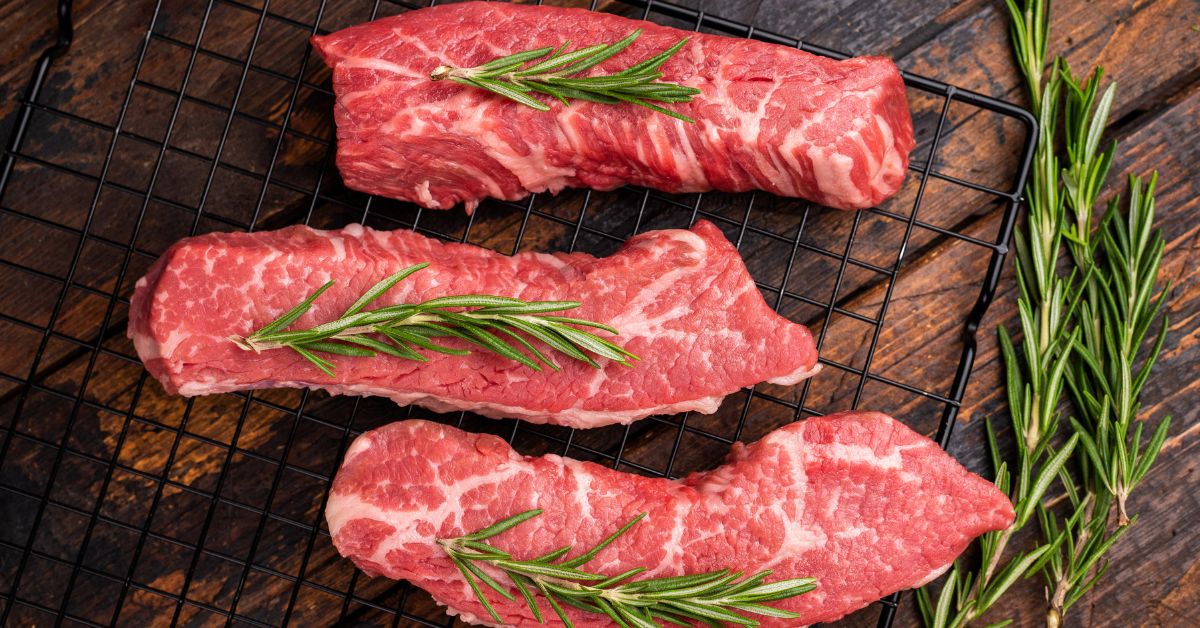
Tri tip is a specific cut of beef that comes from the bottom sirloin section of a cow. The name “tri tip” refers to its triangular shape, which distinguishes it from many other steak cuts. Unlike traditional steaks that are sliced directly from larger muscle groups, tri tip is usually cooked as a small roast and then sliced against the grain.
This cut gained massive popularity in California, especially in Santa Maria–style barbecue, where it is seasoned simply with salt, pepper, and garlic before being grilled over red oak wood. Over time, its reputation spread across the United States and beyond because of its balance of flavor, tenderness, and affordability.
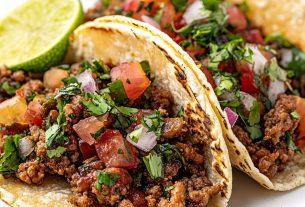
One reason tri tip has become a favorite among meat lovers is its versatility. It can be grilled, roasted, smoked, or even sliced thin for sandwiches and tacos. Because the muscle is moderately active, it develops rich beef flavor while still remaining tender when cooked correctly.
From a nutrition standpoint, tri tip sits somewhere between lean steak cuts and fattier options. It has enough marbling to provide flavor but usually contains less fat than premium steaks like ribeye or T-bone. This combination of taste and relative leanness is what makes many people wonder whether tri tip can fit into a healthy diet.
Where Tri Tip Comes From on the Cow
Understanding where tri tip comes from helps explain its nutritional profile and texture. This cut comes from the bottom sirloin subprimal, located near the back of the cow above the flank area. Because the muscle is used moderately during movement, it develops strong flavor without becoming extremely tough.
Unlike heavily exercised muscles such as brisket or shank, the bottom sirloin isn’t constantly working. That means the meat remains relatively tender while still containing connective tissue that contributes to its distinctive chew and taste.
Butcher shops usually sell tri tip either as a small roast weighing around 1.5 to 2.5 pounds or sliced into individual steaks. When trimmed of excess external fat, it qualifies as a lean cut of beef according to nutrition guidelines.
A 100-gram cooked portion of trimmed tri tip contains roughly 172 calories, 29 grams of protein, and about 6 grams of fat, which places it well within the lean beef category. This makes it more comparable to cuts like top sirloin than to high-fat steaks.
Because of its location and structure, tri tip responds well to grilling and roasting methods that enhance its natural flavor without requiring heavy sauces or oils.
Why Tri Tip Became Popular
Tri tip wasn’t always famous. For many years, butchers considered it a lesser-known cut and often ground it into hamburger meat. Everything changed when California barbecue culture began highlighting the cut as the star of outdoor cooking.
Santa Maria barbecue, a regional cooking tradition, helped elevate tri tip from obscurity. In this style, the meat is seasoned simply and grilled slowly over wood fire, then sliced thin across the grain. The result is juicy, flavorful beef with a slightly smoky crust.
Beyond flavor, tri tip gained popularity for another reason: value. Compared with premium steaks like filet mignon or ribeye, tri tip is typically more affordable while still offering excellent taste and texture.
Health-conscious eaters also began noticing that tri tip is relatively lean compared to many other barbecue meats. Instead of being loaded with fat like brisket or short ribs, it offers a better balance of protein and fat.
Today, tri tip is widely available in supermarkets, restaurants, and barbecue competitions. Its growing popularity has sparked interest not only among food enthusiasts but also among people trying to maintain a balanced diet.
Nutritional Profile of Tri Tip
The nutritional value of tri tip depends on several factors: the quality of the meat, the amount of fat trimmed before cooking, and the cooking method used. However, general nutrition data provides a clear picture of what you can expect from this cut.
Below is an approximate breakdown for a 4-ounce (112 g) serving of cooked tri tip:
| Nutrient | Amount |
|---|---|
| Calories | 210–220 |
| Protein | 20–22 g |
| Fat | 13–14 g |
| Carbohydrates | 0–2 g |
| Cholesterol | ~50–60 mg |
These numbers show why tri tip is appealing to people who follow high-protein diets. Nearly 40–50% of its calories come from protein, which helps support muscle repair, metabolism, and overall health.
Another important feature is that tri tip contains almost no carbohydrates. That makes it compatible with low-carb diets such as keto, paleo, or carnivore-style eating plans.
Of course, the fat content can vary. If the fat cap is left on the meat, total fat increases. When trimmed properly, tri tip becomes noticeably leaner.
Vitamins and Minerals in Tri Tip
Tri tip isn’t just about protein and fat. Like other cuts of beef, it provides several essential micronutrients that your body needs for daily functioning.
Key nutrients found in tri tip include:
-
Iron: Helps carry oxygen in the blood and prevents anemia.
-
Zinc: Supports immune function and wound healing.
-
Vitamin B12: Essential for nerve health and red blood cell production.
-
Vitamin B6 and Niacin: Help convert food into energy.
For example, a typical serving contains significant amounts of zinc and iron, both of which are crucial for maintaining energy levels and supporting the immune system.
These nutrients are particularly important for people who may struggle to get enough from plant-based sources, such as athletes or individuals with higher nutritional needs.