Why Healthy Gums Are So Important
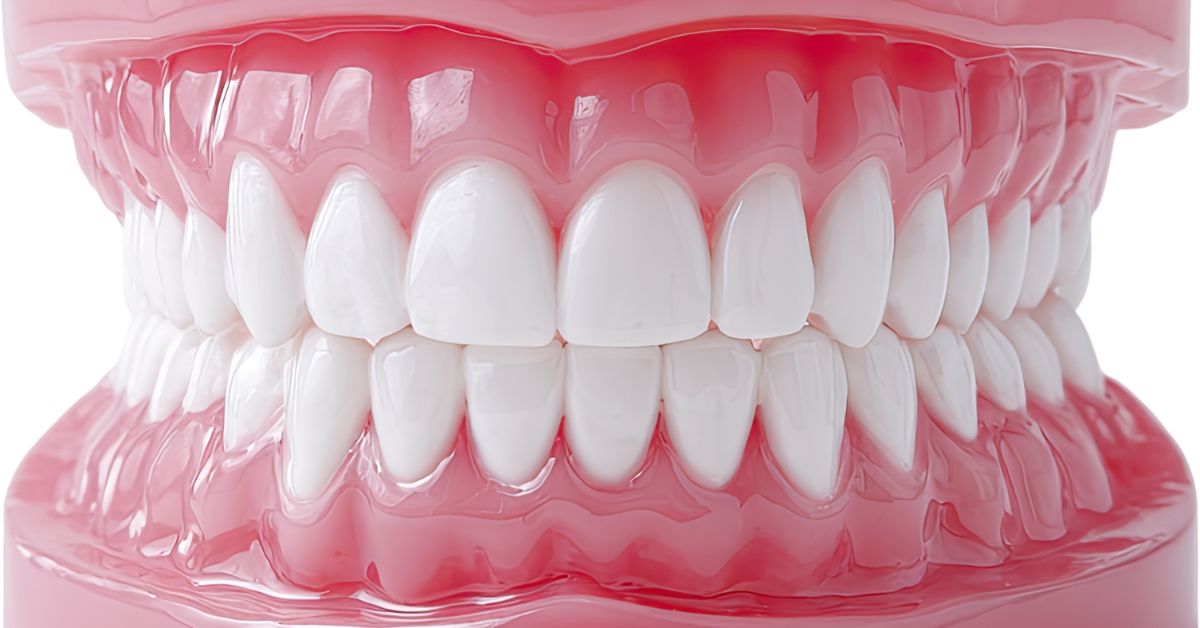
Your gums are the soft tissue that holds your teeth firmly in place. They act like a protective barrier against harmful bacteria. When gums become weak or infected, the entire mouth becomes vulnerable.
Poor gum health can lead to gingivitis (early gum inflammation) and eventually periodontitis, a more serious condition that may cause tooth loss. Studies also suggest that gum disease may be linked to other health problems like heart disease and diabetes.
Healthy gums usually look pink, firm, and do not bleed during brushing. If you notice redness, swelling, or bleeding, it may be an early sign of gum problems that should not be ignored.
Daily Oral Hygiene Tips for Healthy Gums
Brush Properly Twice a Day
Brushing is the most important step in gum care, but technique matters more than force. Dentists recommend brushing at least twice daily using a soft-bristled toothbrush and fluoride toothpaste.
Instead of brushing aggressively, use gentle circular motions along the gum line. Brushing too hard can damage gum tissue and cause recession over time. Spend at least two minutes brushing all areas of your mouth.
An electric toothbrush can also be helpful because it provides consistent pressure and removes plaque more effectively than manual brushing when used correctly.
Floss Every Day
Flossing is often ignored, but it is one of the most powerful habits for gum health. Your toothbrush cannot reach between teeth where food particles and plaque build up.
Daily flossing removes hidden debris and helps prevent inflammation. If plaque stays between teeth, it can harden into tartar, which leads to gum disease.
If traditional floss feels difficult, you can use floss picks or water flossers. The goal is simple: clean between your teeth at least once every day.
Use Mouthwash for Extra Protection
Mouthwash is not a replacement for brushing or flossing, but it adds an extra layer of protection. Antibacterial mouthwash helps reduce harmful bacteria and keeps breath fresh.
Alcohol-free mouthwash is often a better choice because it is gentler on sensitive gums. Swish for about 30 seconds after brushing to help reach hidden areas in the mouth.
Clean Your Tongue Regularly
Many people forget about the tongue, but it collects a large amount of bacteria. If not cleaned, these bacteria can spread to the gums and teeth.
Using a tongue scraper or brushing your tongue daily helps reduce bad breath and improves overall oral hygiene. This simple step supports healthier gums in the long run.
Foods That Support Healthy Gums
What you eat has a direct impact on your gum health. A balanced diet helps strengthen gum tissue and reduce inflammation.
Eat Vitamin-Rich Foods
Foods rich in vitamin C like oranges, lemons, strawberries, and bell peppers help repair gum tissue and fight infection. Vitamin C supports collagen production, which keeps gums strong.
Leafy green vegetables like spinach and kale also provide essential nutrients that protect gum health.
Include Calcium-Rich Foods
Calcium strengthens teeth and jawbones. Dairy products such as milk, yogurt, and cheese are excellent for maintaining oral strength.
If you avoid dairy, you can get calcium from almonds, tofu, and green vegetables.
Avoid Excess Sugar
Sugar is one of the biggest enemies of gum health. Harmful bacteria feed on sugar and produce acids that damage gums and teeth.
Reducing sugary snacks, sodas, and sticky candies can significantly lower the risk of gum disease.
Healthy Lifestyle Habits for Strong Gums
Quit Smoking and Tobacco Use
Smoking is one of the leading causes of gum disease. It reduces blood flow to the gums, making it harder for the body to heal infections.
Smokers are more likely to experience gum recession, tooth loss, and chronic oral problems. Quitting tobacco is one of the best decisions for long-term gum health.
Stay Hydrated
Water plays an important role in oral hygiene. It helps wash away food particles and bacteria that cause plaque buildup.
Drinking enough water also keeps saliva levels healthy. Saliva is your mouth’s natural defense system—it neutralizes acids and protects gums from infection.
Manage Stress
Stress can negatively affect your immune system, making it harder for your body to fight gum infections. Some people also grind their teeth when stressed, which can damage gums over time.
Simple stress management techniques like exercise, deep breathing, and proper sleep can support both mental and oral health.
Regular Dental Checkups Matter
Even with perfect home care, regular dental visits are essential. Dentists can detect early signs of gum disease before it becomes serious.
Professional cleaning removes hardened plaque (tartar) that cannot be removed by brushing alone. Most experts recommend visiting the dentist every six months for routine checkups.
Skipping dental visits can allow small problems to become major oral health issues. Prevention is always easier and cheaper than treatment.
Natural Tips for Healthy Gums
Some simple home remedies can also support gum health when used alongside proper dental care.
Salt Water Rinse
A warm salt water rinse can help reduce inflammation and kill bacteria in the mouth. It is especially useful for soothing irritated gums.
Herbal Care
Natural ingredients like aloe vera and clove oil are sometimes used to soothe gum irritation. These remedies may help reduce swelling and discomfort, but they should not replace professional care if symptoms are serious.
Common Mistakes That Harm Gums
Many people unknowingly damage their gums through everyday habits.
One common mistake is brushing too hard. This can cause gum recession and sensitivity. Another mistake is ignoring bleeding gums. Bleeding is often an early warning sign of gum disease, not something normal.
Skipping flossing, smoking, and consuming too much sugar are also major contributors to poor gum health.
Final Thoughts
Healthy gums are essential for a strong, confident smile. They protect your teeth, support your oral structure, and even influence your overall health.
By following simple tips for healthy gums—like brushing properly, flossing daily, eating nutritious foods, and visiting the dentist regularly—you can prevent most gum problems before they start.
Good gum care is not complicated. It is all about consistency. Small daily habits can lead to long-term oral health and a brighter smile.